
Mold After Water Damage Philadelphia

Mold After Water Damage  Philadelphia

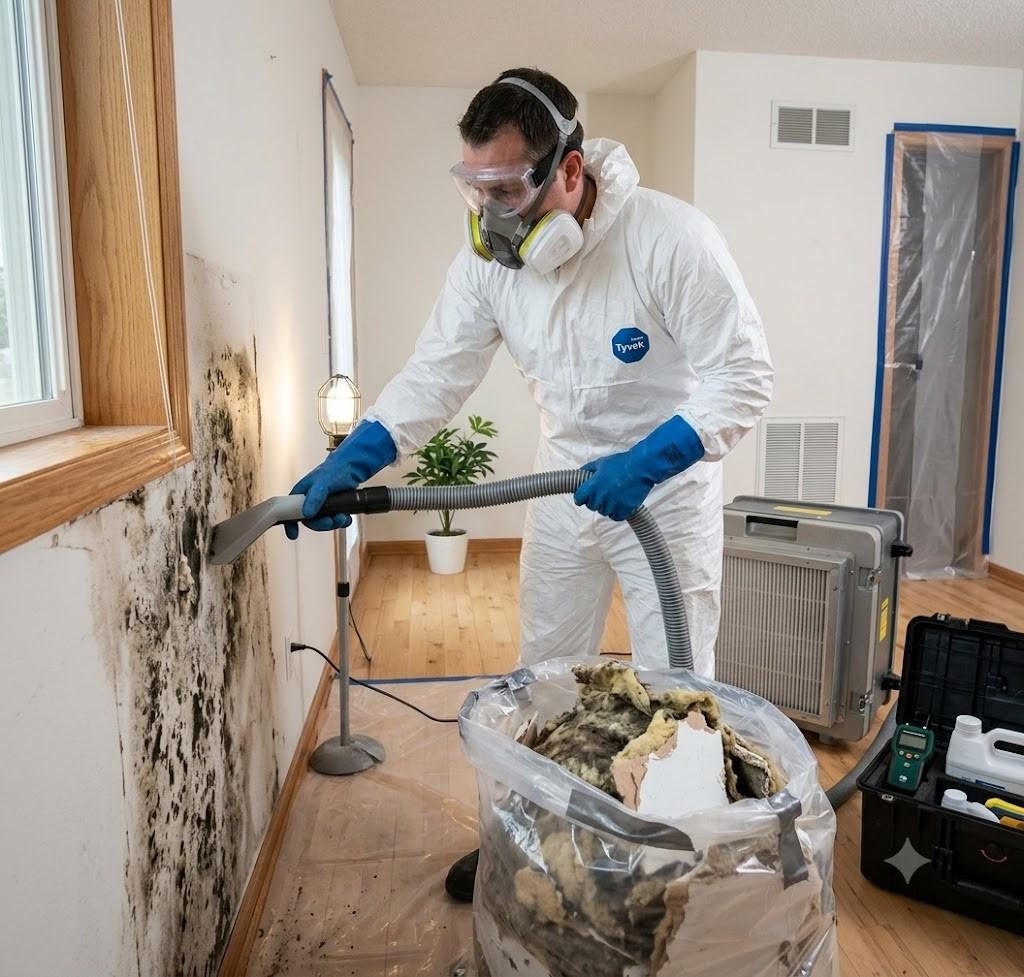
Water damage can leave behind more than wet floors, stained ceilings, or damaged drywall. When moisture remains inside a home or business, mold can begin growing in hidden areas. That’s why dealing with mold after water damage Philadelphia should be treated as a priority, especially after flooding, plumbing leaks, roof leaks, or water intrusion.

Philadelphia properties can experience water problems from heavy rain, aging plumbing, basement moisture, roof damage, and burst or leaking pipes. Even when visible water has been removed, moisture can remain inside walls, flooring, insulation, cabinets, and other materials.

Mold Remediation In Philadelphia helps property owners identify moisture-related mold problems and take the appropriate steps toward a cleaner, safer property.

If your property recently experienced water damage and you notice a musty smell, discoloration, or visible mold, don’t wait for the problem to grow

Mold After Water Damage Philadelphia
Common Causes of Mold After Water Damage

Common Causes of Mold After Water Damage

Mold following water damage can come from many different sources. Some problems are obvious, while others develop behind walls or underneath flooring.

Common causes include:

  • Burst or leaking pipes
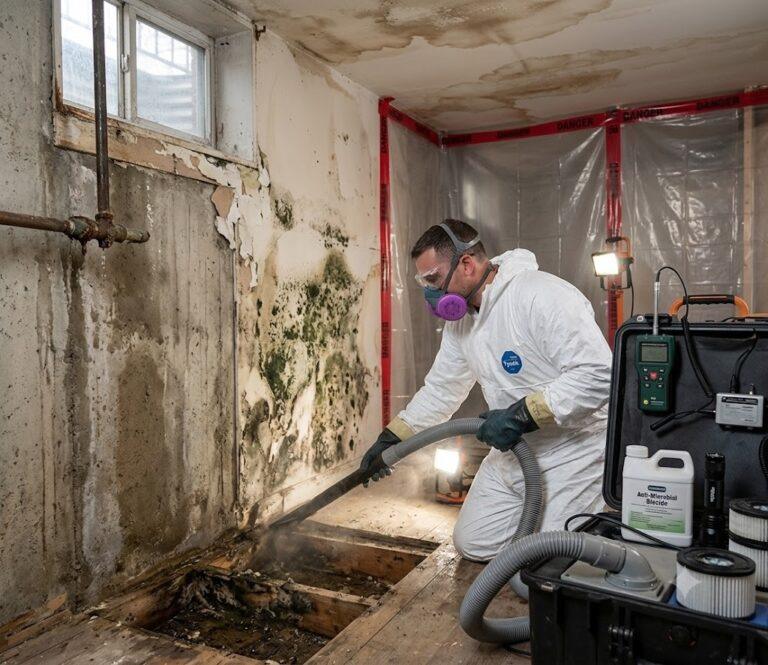
  • Basement flooding
  • Sewer or drain backups
  • Roof leaks
  • Storm-related water intrusion
  • Appliance leaks
  • Washing machine or dishwasher leaks
  • Water heater failures
  • Bathroom plumbing leaks
  • Overflowing toilets
  • Foundation or drainage problems
  • Long-term hidden plumbing leaks

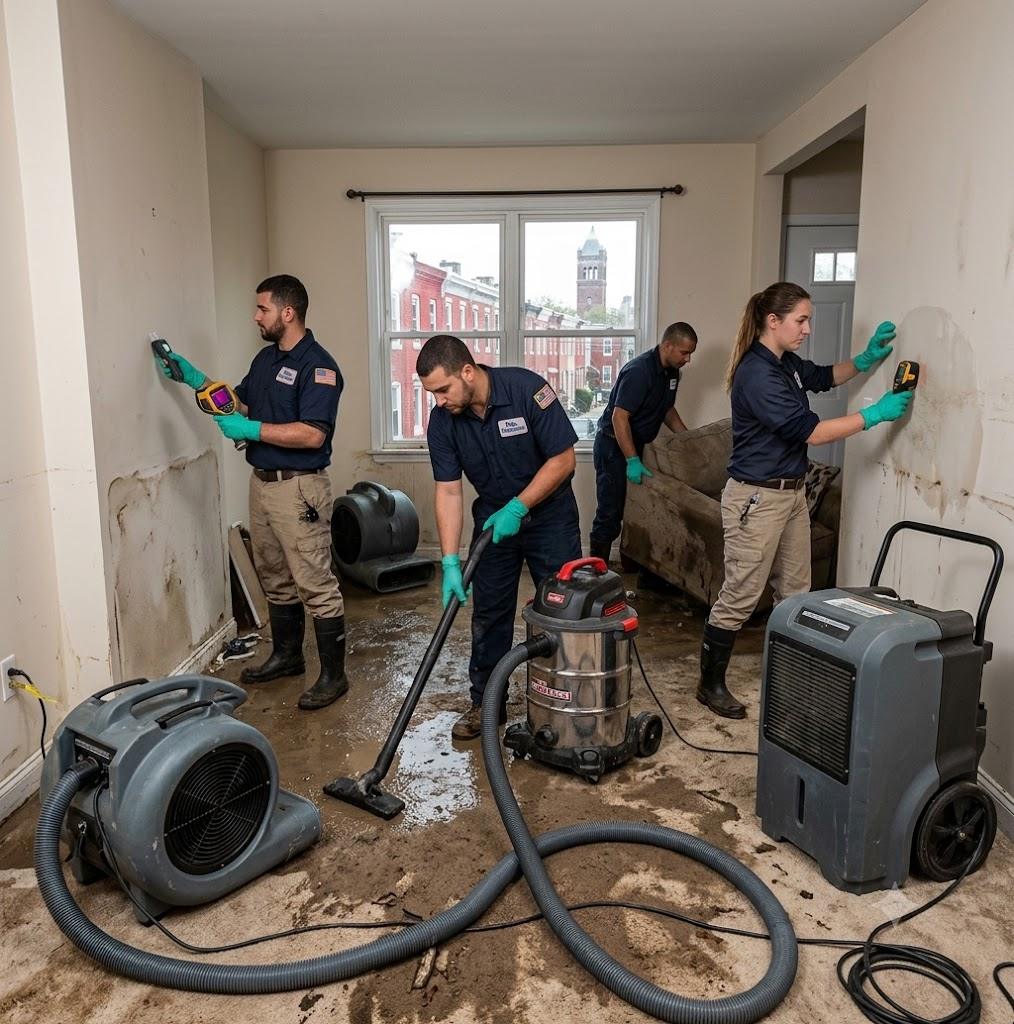
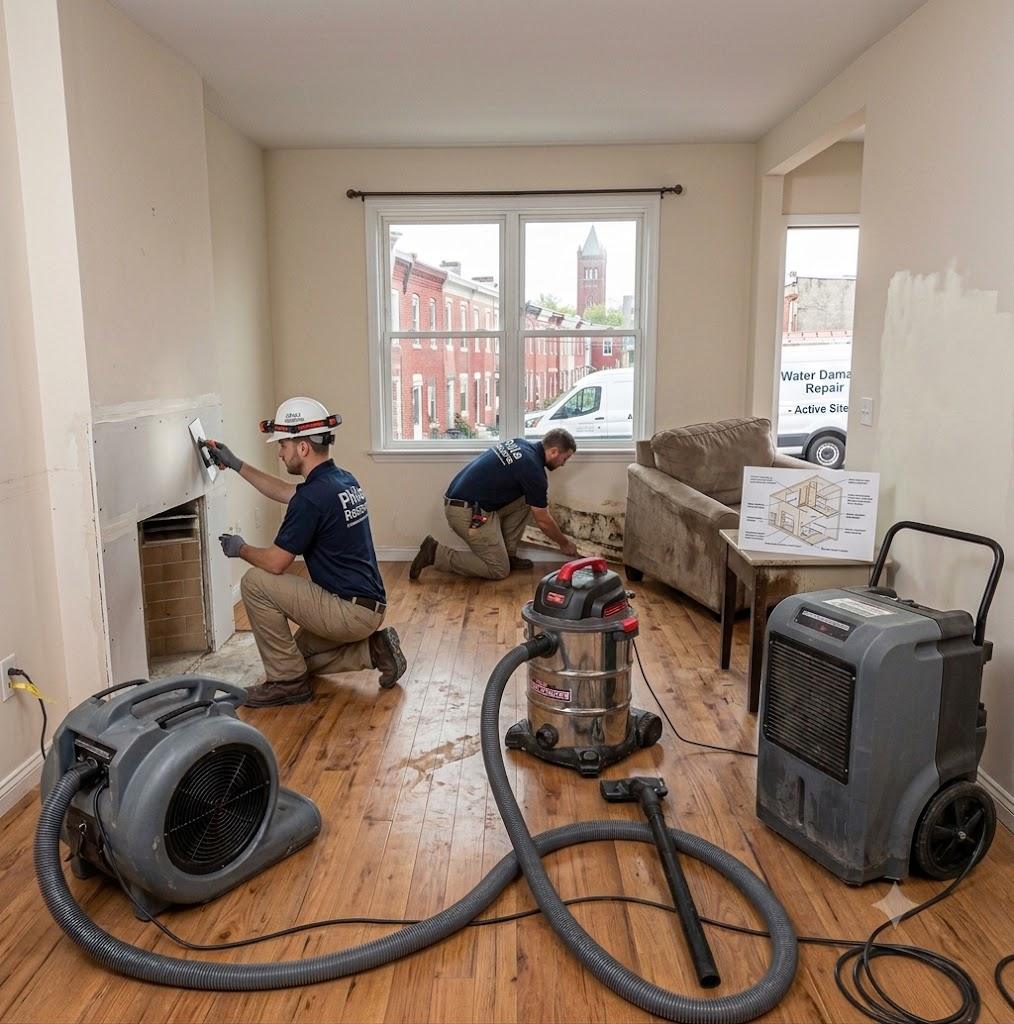
After a water loss, professional drying can help reduce remaining moisture in affected materials and surrounding air. Mold After Water Damage Philadelphia may require inspection of both visible areas and locations where moisture could be hidden.

Taking action quickly after water damage can help protect the property from additional moisture-related problems. If mold is discovered after a flood, leak, or plumbing issue, addressing both the mold and the underlying moisture problem can help restore the affected area to a cleaner and drier condition.

Should You Test for Mold After Water Damage?

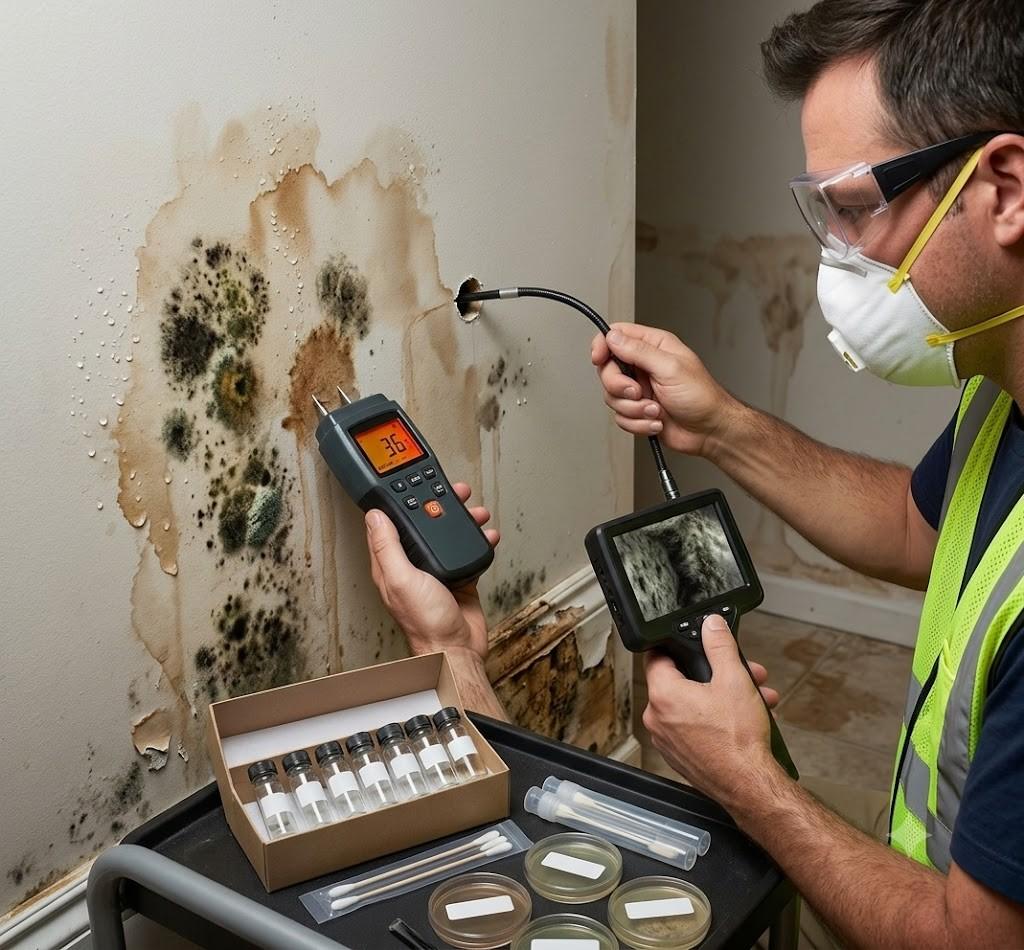
Mold testing isn’t automatically necessary after every small water leak. The appropriate approach depends on the circumstances.

Testing may be useful when:

  • Mold is suspected but not visible
  • There is a persistent musty odor
  • A large area experienced water damage
  • Mold may be present inside walls
  • A property has recurring moisture problems
  • There is uncertainty about the extent of contamination
  • Documentation is needed for a property-related decision

A visual inspection and moisture assessment can also provide valuable information.

If you’re unsure whether testing makes sense, a professional mold inspection can help determine what should happen next.

If mold is suspected following flooding, plumbing leaks, roof leaks, or other water damage, Mold After Water Damage Philadelphia should be addressed by looking at both the visible signs and possible hidden moisture sources. A proper inspection can helpS.


Should You Test for Mold After Water Damage
Why Quick Mold Remediation Matters

Why Quick Mold Remediation Matters

Mold doesn’t need much encouragement when moisture is available.

Waiting can allow a localized problem to spread to additional materials. It may also increase the amount of material that needs to be removed, cleaned, or replaced.

Fast action can help you:

  • Identify the moisture source
  • Limit additional property damage
  • Reduce the affected area
  • Find hidden moisture
  • Address mold before it spreads further
  • Protect unaffected areas
  • Get the property back to normal sooner

If mold continues to return after cleaning, or if there is a persistent musty odor or recurring moisture, it may be a sign that the underlying issue has not been resolved. Black Mold Remediation Philadelphia can help assess the affected area, address moisture concerns, and determine the appropriate restoration steps.

Taking care of mold and moisture problems early can make the restoration process more manageable and help protect.

Mold After Roof or Storm Damage

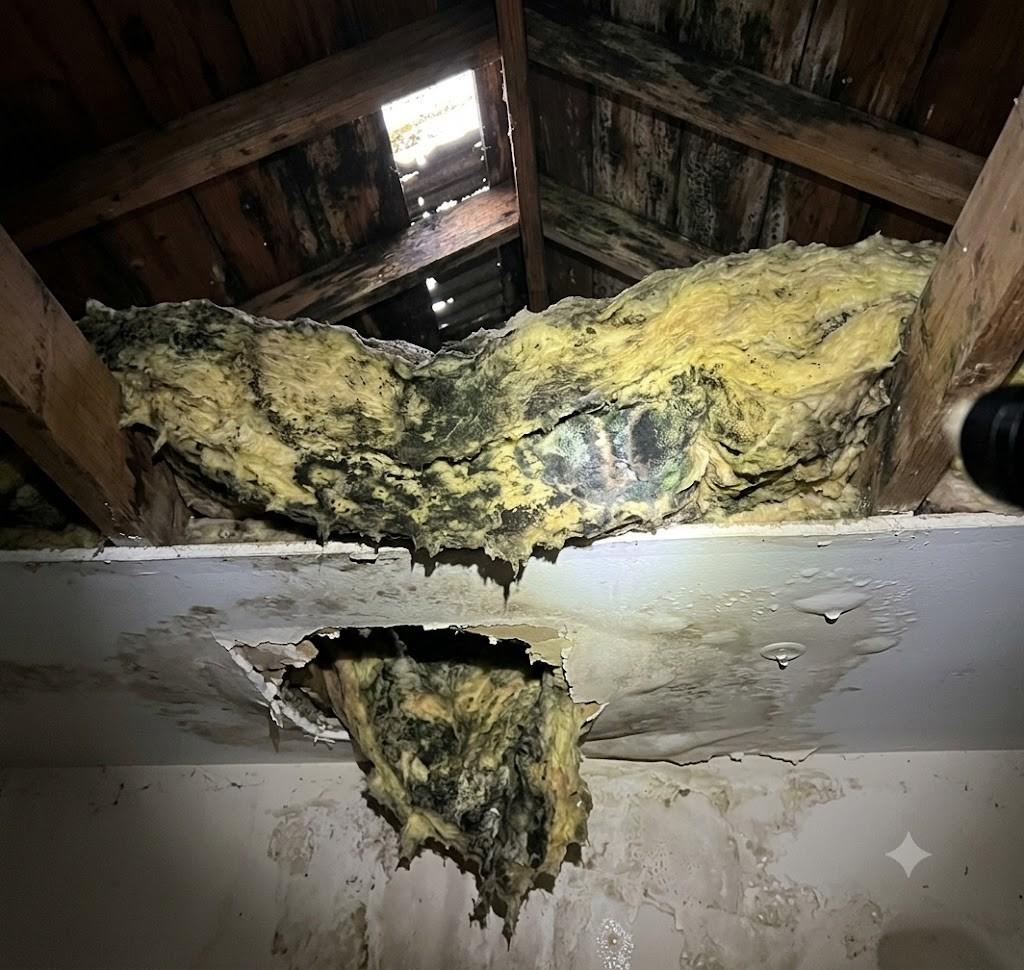
Roof leaks can introduce water into ceilings, attics, insulation, and upper-level walls.

A ceiling stain may look small from inside the room while the moisture problem above it is much larger.

After a storm, check for:

  • Ceiling discoloration
  • Damp attic insulation
  • Wet drywall
  • Peeling paint
  • Musty odors
  • Water around windows
  • Damp areas near roof penetrations

If the roof leak has been repaired but the interior materials remain wet, mold can still become a concern. Addressing the roof leak is only the first step. The interior areas affected by water should also be properly dried and checked for remaining moisture. Mold After Water Damage Philadelphia services can help identify moisture-affected areas and address conditions that may allow mold to develop.

Mold After Roof or Storm Damage

Protect Your Property From Mold After Water Damage

Water damage shouldn't be treated as finished just because the visible water is gone. Moisture can remain inside building materials, and mold can develop in places you can't see. If your Philadelphia property has recently experienced flooding, a leak, or storm-related water intrusion, pay attention to odors, stains, damp materials, and recurring moisture. When mold is suspected, a professional inspection can help determine what you're dealing with and what steps should come next. Mold Remediation In Philadelphia is ready to help with mold and water damage concerns in Philadelphia, PA. Call now for same-day Water Damage Restoration Philadelphia.
Protect Your Property From Mold After Water Damage

What Our Customers Say

Trusted by Philadelphia Homeowners & Businesses

Read what local property owners say about our Mold After Water Damage Philadelphia services. Our team focuses on prompt response, careful mold inspections, moisture detection, and professional service from start to finish.

Residential Mold Removal Philadelphia
Mary

Philadelphia, PA

“After water damage in our Philadelphia home, we noticed a strong musty smell. Mold Remediation In Philadelphia responded quickly, found the moisture problem, and helped us get everything cleaned up. The service was professional and reassuring.”

Philadelphia Mold Remediation
Barbara

Northwest Philadelphia

“We had mold appear after a basement leak in Philadelphia. The team inspected the affected areas, explained what needed to be done, and handled the remediation carefully. Everything was straightforward, and the work was completed professionally.”

Mark

Philadelphia, PA

“Water damage left us worried about mold, so we called Mold Remediation In Philadelphia. They arrived promptly, checked the affected areas, and helped us address the problem before it spread. Great communication and very professional service.”

Frequently Asked Questions

Can mold grow after water damage in Philadelphia?

Yes, Mold After Water Damage Philadelphia can develop when wet materials aren't dried properly. Moisture may remain behind walls, under flooring, or inside insulation.

Can mold grow behind walls after a water leak?

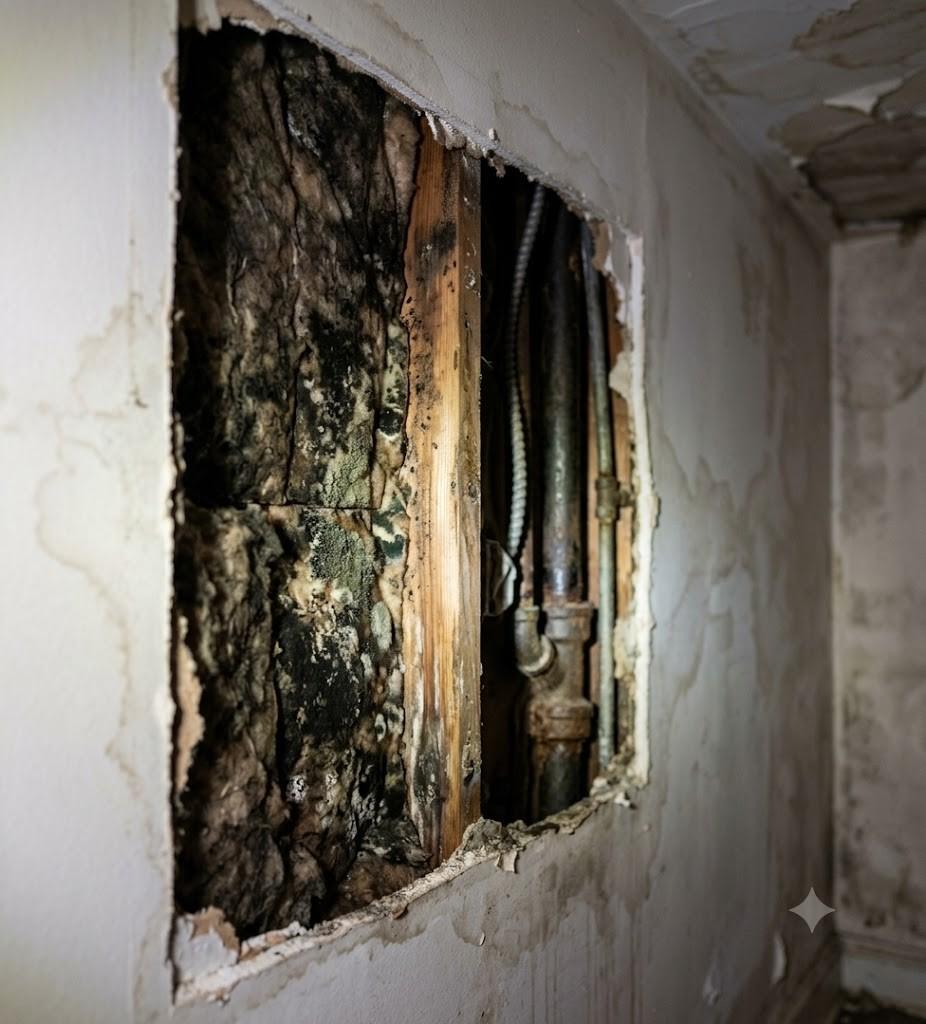
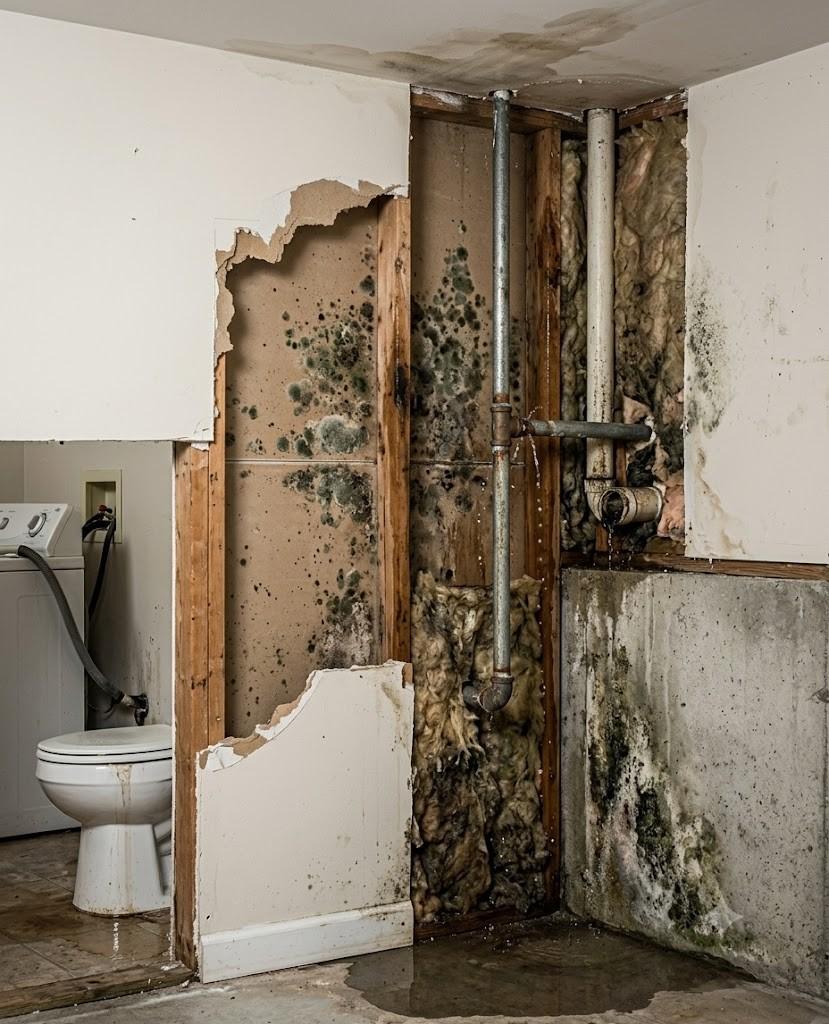
Yes. Mold After Water Damage Philadelphia may develop inside wall cavities when water from a plumbing or roof leak gets trapped behind drywall, insulation, or other building materials.

Why does my home smell musty after water damage?

A musty smell may indicate remaining moisture or hidden mold. With Mold After Water Damage Philadelphia, odors can come from damp drywall, flooring, insulation, cabinets, or other affected areas.

How soon can mold appear after water damage?

Mold can begin developing soon when moisture remains inside building materials. With Mold After Water Damage Philadelphia, quick water removal and proper drying can help reduce the chance of mold growth.

Do I need mold testing after water damage?

Testing isn't always required, but it can help when mold is suspected but not visible. Mold After Water Damage Philadelphia assessments can help identify possible moisture and mold concerns.

Can water-damaged drywall cause mold?

Yes. Wet drywall can retain moisture and create favorable conditions for mold growth. Mold After Water Damage Philadelphia can become a concern when drywall remains damp after a leak or flooding event.

Need Mold After Water Damage Philadelphia?

Don’t let hidden mold, moisture, or water damage affect your property. Our Mold After Water Damage Philadelphia service helps identify mold problems, moisture sources, and affected areas in Philadelphia homes and businesses.

Explore Our Other Mold Remediation Services in Philadelphia

Professional Mold Remediation in Philadelphia can address mold growth, moisture problems, and affected areas throughout your property. Explore our related Mold Remediation in Philadelphia services for a cleaner, safer, and more comfortable home.

Flood Damage Restoration Philadelphia

Flood Damage Restoration Philadelphia

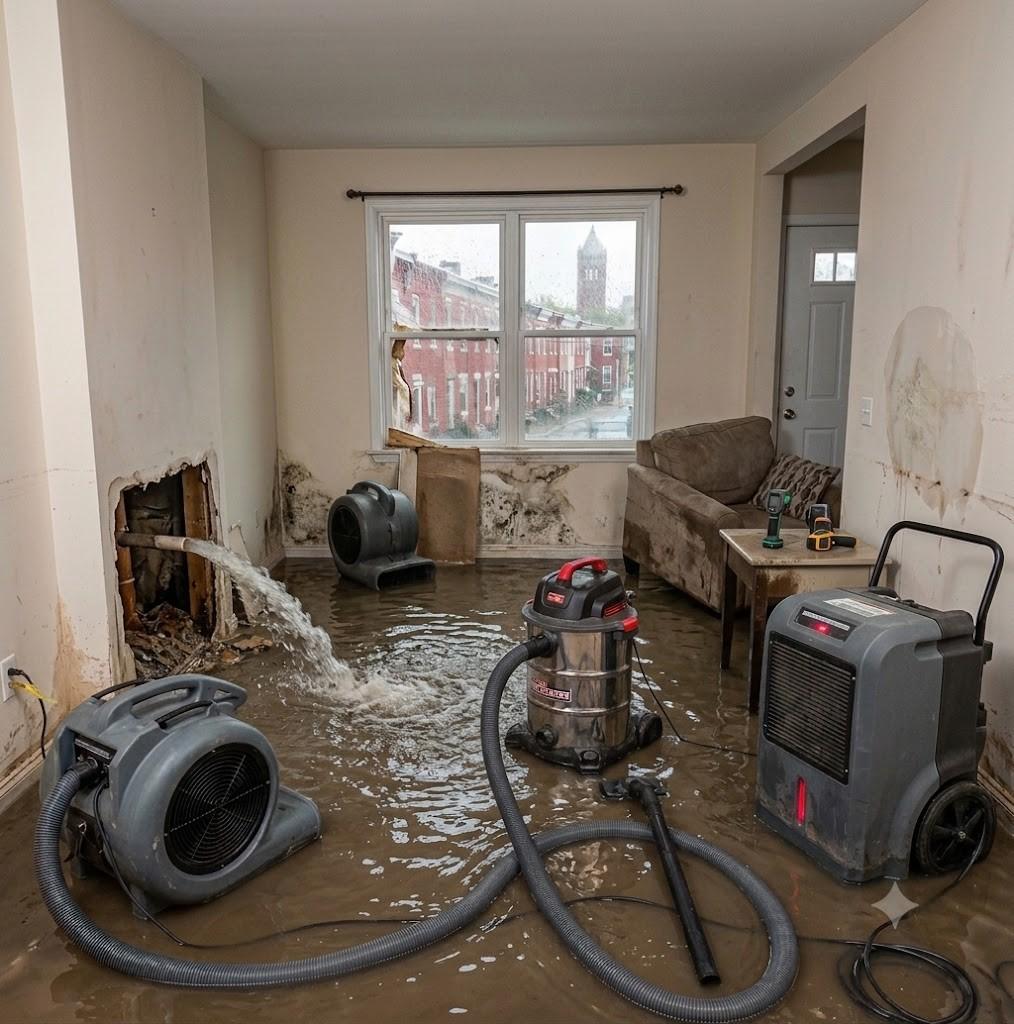
Flood damage can quickly harm your home or business. Our Flood Damage Restoration Philadelphia services provide fast water removal, drying, cleanup, and repairs to help restore your property damage.
Emergency Water Damage Restoration Philadelphi

Emergency Water Damage Restoration Philadelphia

Get fast help with Emergency Water Damage Restoration Philadelphia services. We provide quick water removal, drying, cleanup, and restoration to help protect your property from further damage.
Water Damage
Repair
Philadelphia

Our Water Damage Repair Philadelphia services help repair floors, walls, ceilings, and other areas affected by water. We restore damaged spaces and help return your property to a safe, comfortable condition.