
Mold Testing Philadelphia

Professional Mold Testing in Philadelphia

Mold can start growing long before you see it. A musty odor, recent water damage, condensation, staining, or unexplained moisture can all point to a hidden mold problem. Professional mold testing in Philadelphia can help identify whether mold is present and determine where additional inspection may be needed.

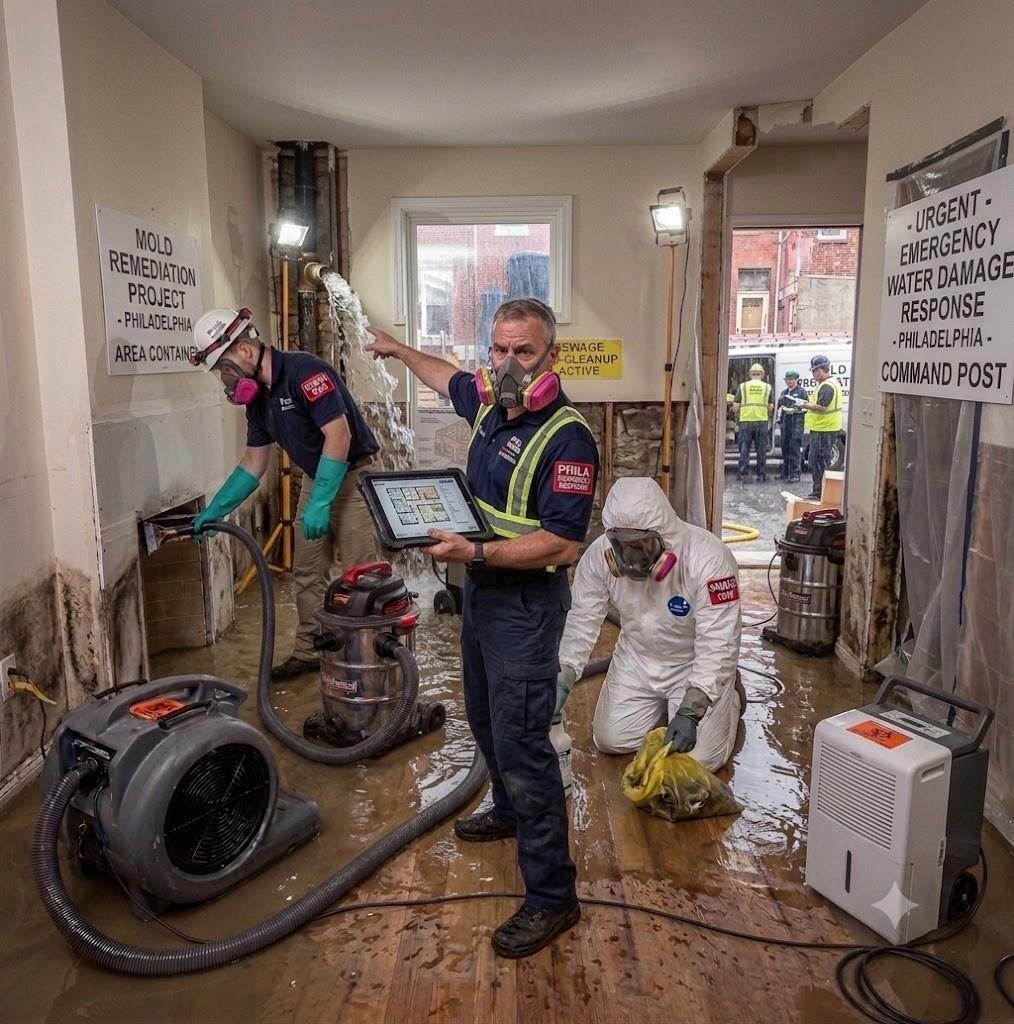
At Mold Remediation In Philadelphia, we help homeowners and property managers understand what’s happening inside their properties. Our mold testing process focuses on visible conditions, moisture sources, indoor air concerns, and areas where mold may be hidden.

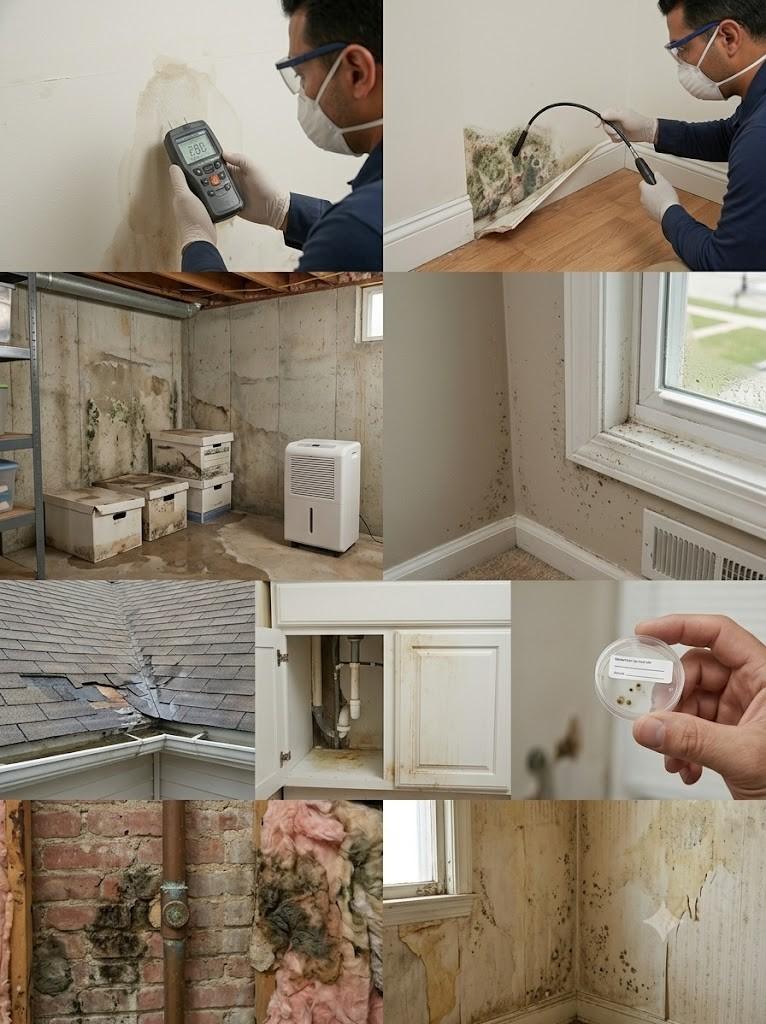
Philadelphia properties face plenty of moisture-related problems. Older rowhomes, basements, crawl spaces, bathrooms, kitchens, roofs, plumbing systems, and properties affected by storms can all develop conditions that allow mold to grow.

Mold Testing Philadelphia
When Should You Consider Mold Testing in Philadelphia

When Should You Consider Mold Testing in Philadelphia?

You don’t always need a mold test just because you notice a little discoloration. However, certain situations make professional evaluation much more useful.

Consider mold testing if you’ve noticed:

  • A persistent musty or earthy smell
  • Mold-like growth on walls or ceilings
  • Repeated condensation
  • Water stains
  • Previous flooding
  • A leaking roof
  • Plumbing leaks
  • Basement moisture
  • Wet drywall or insulation
  • Recent water damage
  • Mold returning after cleaning
  • Moisture behind walls
  • Problems around HVAC equipment
  • A property that has been vacant for an extended period
  • Visible growth in multiple areas
  • A concern about indoor air quality after water damage

If a property has experienced flooding or a significant plumbing leak, don’t wait for visible mold to appear. Moisture can remain trapped inside building materials and create favorable conditions for growth

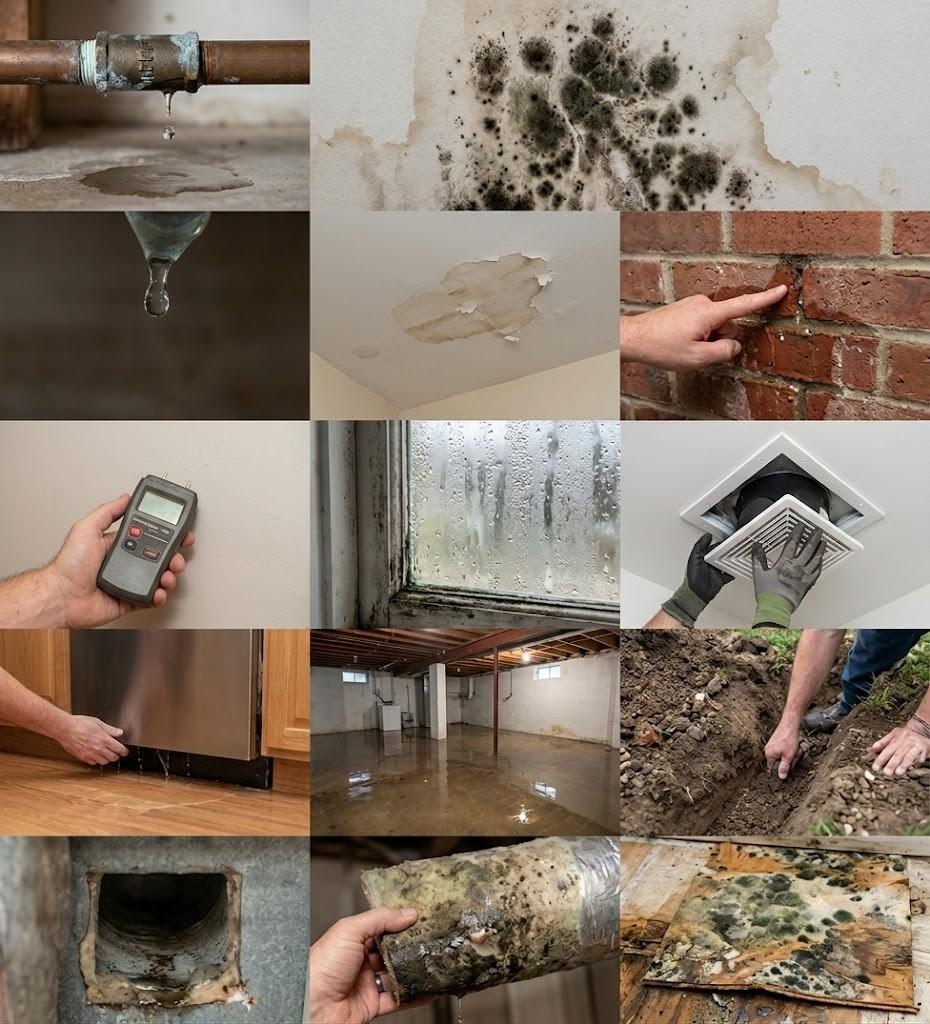
Why Moisture Control Matters

Mold needs moisture to grow. Cleaning visible mold without addressing the moisture source can allow the problem to return.

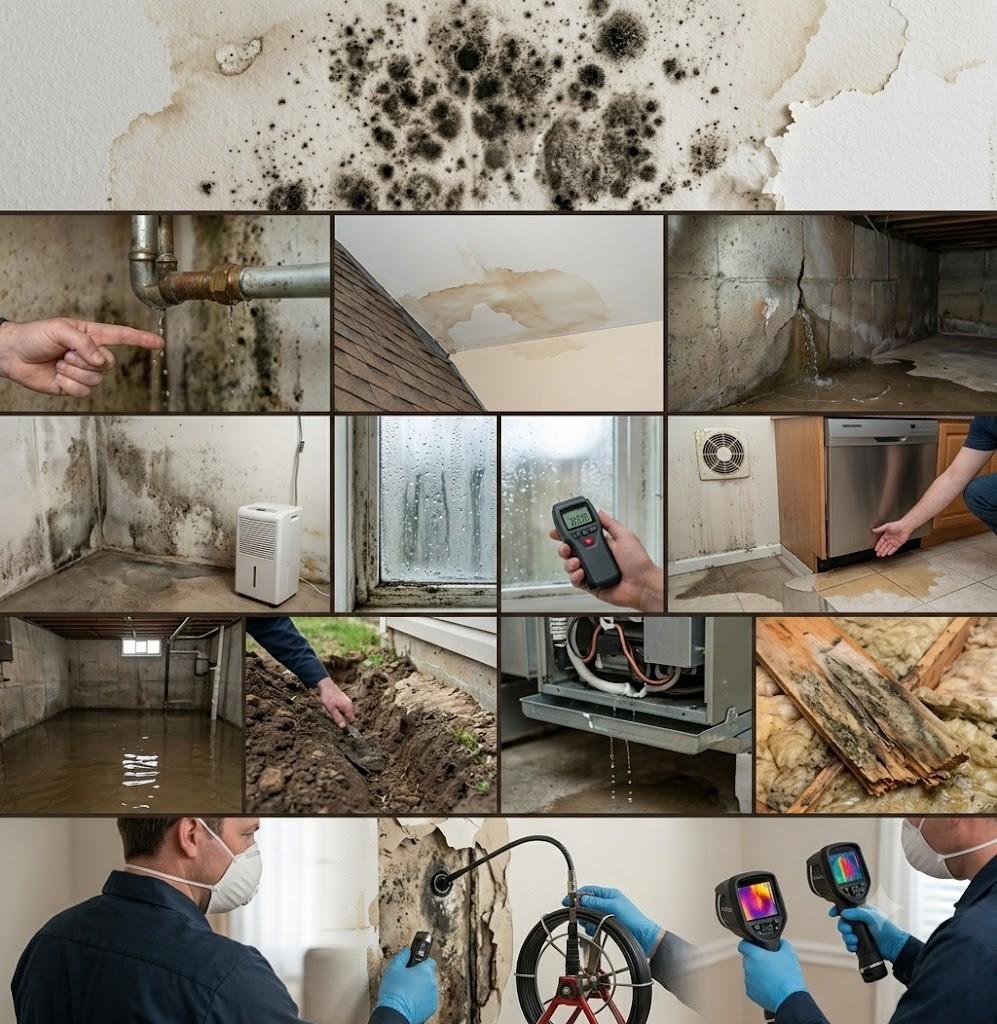
Common moisture sources include:

  • Plumbing leaks
  • Roof leaks
  • Foundation seepage
  • Basement humidity
  • Condensation
  • Poor bathroom ventilation
  • Appliance leaks
  • Flooding
  • Drainage problems
  • HVAC condensation
  • Wet building materials

If the underlying moisture issue remains, mold-related problems can continue even after cleaning.

That’s why our approach starts with understanding the conditions that created the concern.

Why Moisture Control Matters
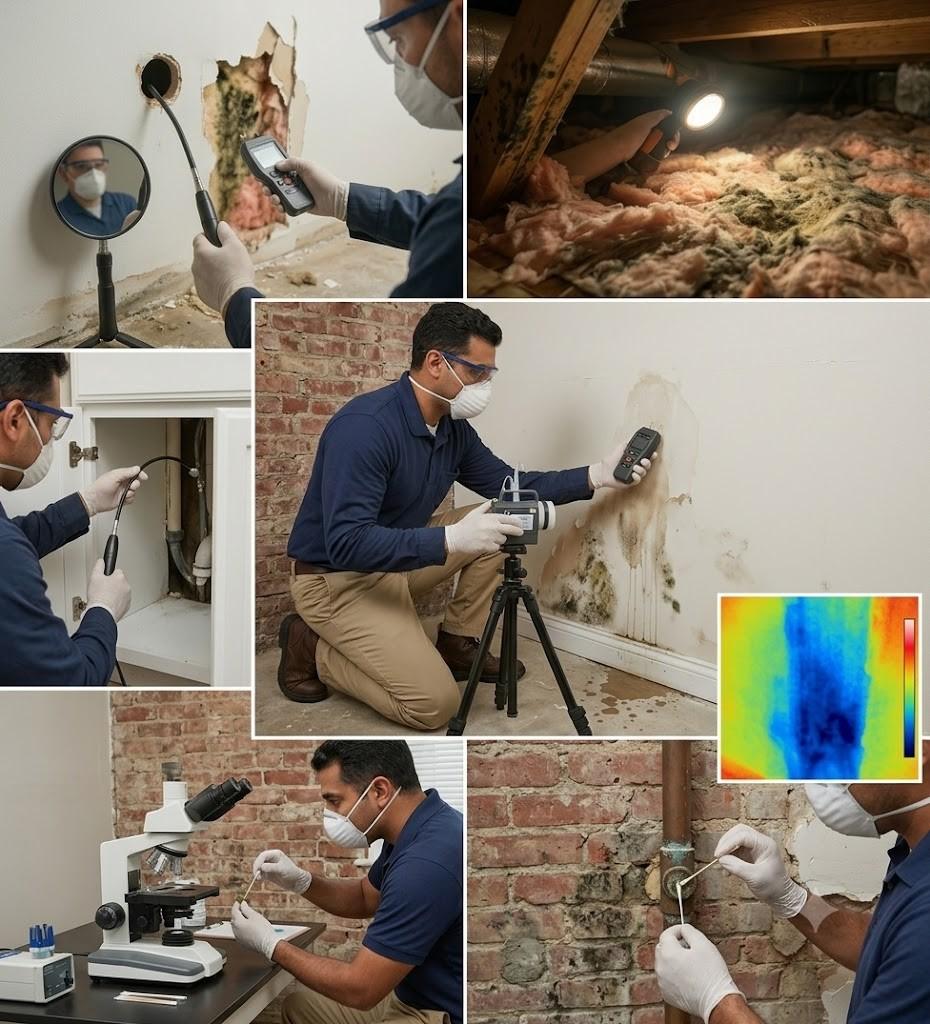
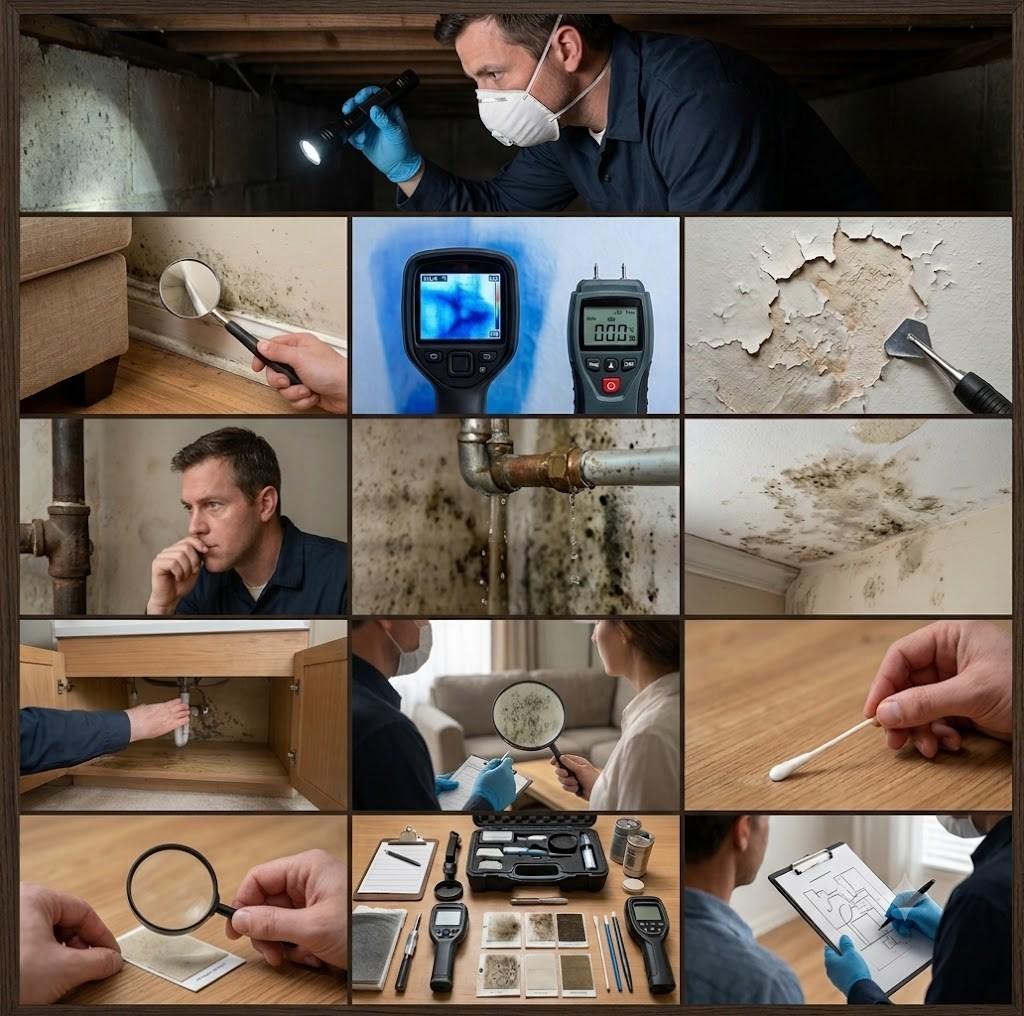
What Does a Mold Inspection Include?

What Does a Mold Inspection Include?

The exact inspection process depends on the property and the reason for the visit.

A professional evaluation may include:

  • Visual examination of affected areas
  • Moisture measurements
  • Review of previous water damage
  • Inspection of areas with visible staining
  • Evaluation of musty odors
  • Examination of likely moisture sources
  • Assessment of basements, bathrooms, attics, and other problem areas
  • Air sampling when appropriate
  • Surface sampling when appropriate
  • Recommendations for additional action

The goal isn’t simply to collect a sample. The goal is to understand the property conditions surrounding the concern.

Why Moisture Control Matters

Mold needs moisture to grow. Cleaning visible mold without addressing the moisture source can allow the problem to return.

Common moisture sources include:

  • Plumbing leaks
  • Roof leaks
  • Foundation seepage
  • Basement humidity
  • Condensation
  • Poor bathroom ventilation
  • Appliance leaks
  • Flooding
  • Drainage problems
  • HVAC condensation
  • Wet building materials

If the underlying moisture issue remains, mold-related problems can continue even after cleaning.

That’s why our approach starts with understanding the conditions that created the concern.

Why Moisture Control Matters

What Our Customers Say

Trusted by Philadelphia Homeowners & Businesses

Read what local property owners say about our Mold Testing Philadelphia services. Our team focuses on prompt response, careful mold inspections, moisture detection, and professional service from start to finish.

Residential Mold Removal Philadelphia
Emily Carter

Philadelphia, PA

“Great experience with Mold Testing Philadelphia. The team checked our home carefully, explained the testing process clearly, and helped us understand what needed attention. I really appreciated the professional service.”

Philadelphia Mold Remediation
Daniel Brooks

Northwest Philadelphia

“I called for Mold Testing Philadelphia after noticing a musty smell in our basement. The technician arrived on time, inspected the area, and explained the results in a way that was easy to understand. Very helpful service.”

Rachel Morgan

Philadelphia, PA

“We needed Mold Testing Philadelphia after a water leak affected our home. The inspection was handled professionally, and the technician answered all our questions. The whole process was clear, respectful, and reassuring.”

Frequently Asked Questions

How much does mold testing in Philadelphia cost?

The cost depends on the size of the property, the number of areas being inspected, the type of testing needed, and whether laboratory analysis is required. Ask for a clear explanation of what's included before scheduling service.

Can mold be hidden behind drywall?

Yes. Mold can develop behind drywall after plumbing leaks, flooding, roof leaks, or other moisture events. Signs such as musty odors, staining, damaged drywall, or recurring growth may justify.

Can mold grow after water damage?

Yes. If wet materials aren't dried properly, moisture can create conditions that support mold growth. Water can remain trapped behind walls, under flooring, or inside insulation even when the surface appears dry.

Do I need mold testing if I can already see mold?

Not necessarily. Visible mold may already provide enough information to begin evaluating the moisture source and remediation needs. Testing can still be useful in certain situations, particularly when the source or extent of the concern isn't clear.

How long does mold testing take?

The inspection itself may take anywhere from a short visit to several hours depending on the property and conditions. If samples are sent to a laboratory, the final results can take additional time.

Should I clean mold before testing?

It's usually better to discuss the situation with a professional before disturbing a suspected mold area, especially when the affected area is large or connected to water damage. Cleaning can change the condition of the area before it is evaluated.

Need Mold Testing Philadelphia?

Don’t let hidden mold, moisture, or water damage affect your property. Our Mold Testing Philadelphia service helps identify mold, moisture sources, and affected areas in Philadelphia homes and businesses.

Explore Our Other Mold Remediation Services in Philadelphia

Professional Mold Remediation in Philadelphia can address mold growth, moisture problems, and affected areas throughout your property. Explore our related Mold Remediation in Philadelphia services for a cleaner, safer, and more comfortable home.

Mold Remediation Philadelphia

Our Mold Remediation Philadelphia services help identify, contain, and remove mold from your property. We clean affected areas and take steps to help prevent mold from spreading or returning.
Mold Removal Philadelphia

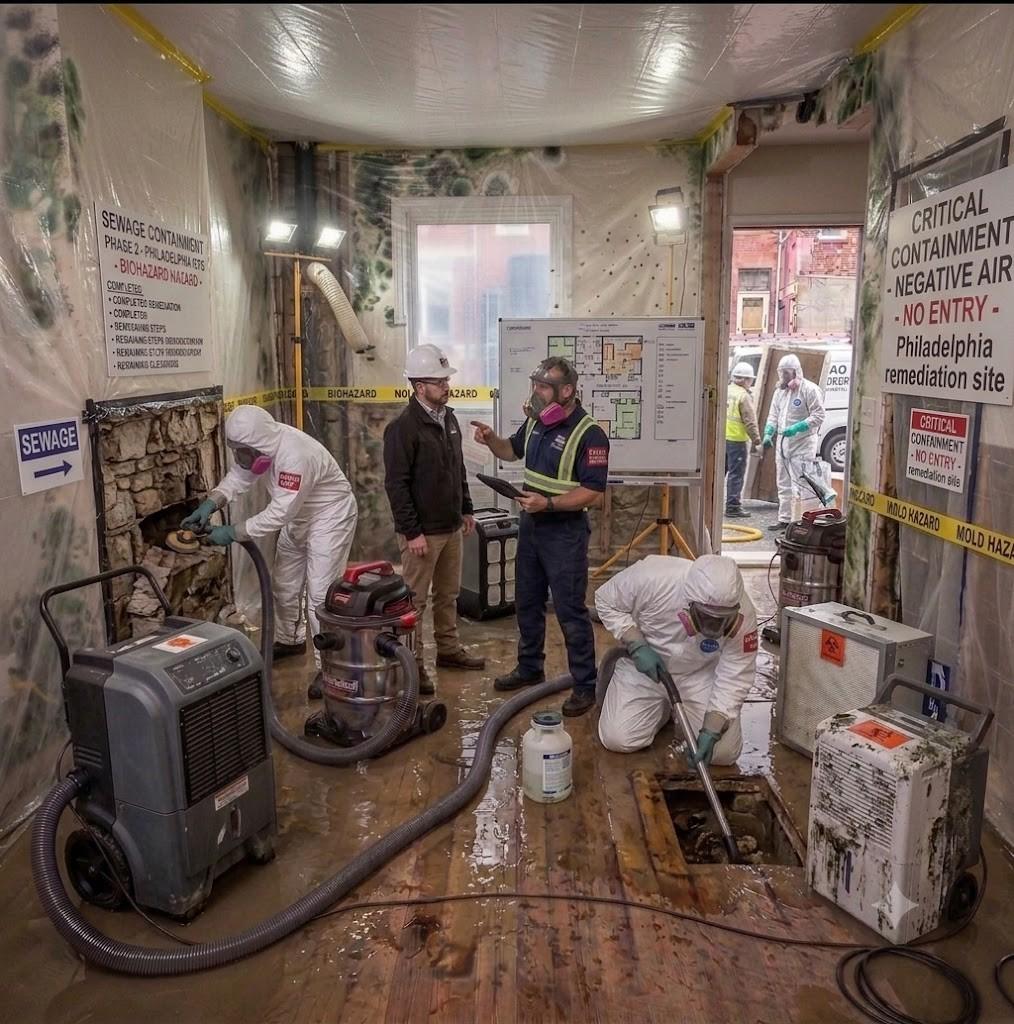
Mold Removal Philadelphia

Our Mold Removal Philadelphia services help safely remove mold from homes and businesses. We identify affected areas, remove mold growth, and clean the space to help prevent it from returning.
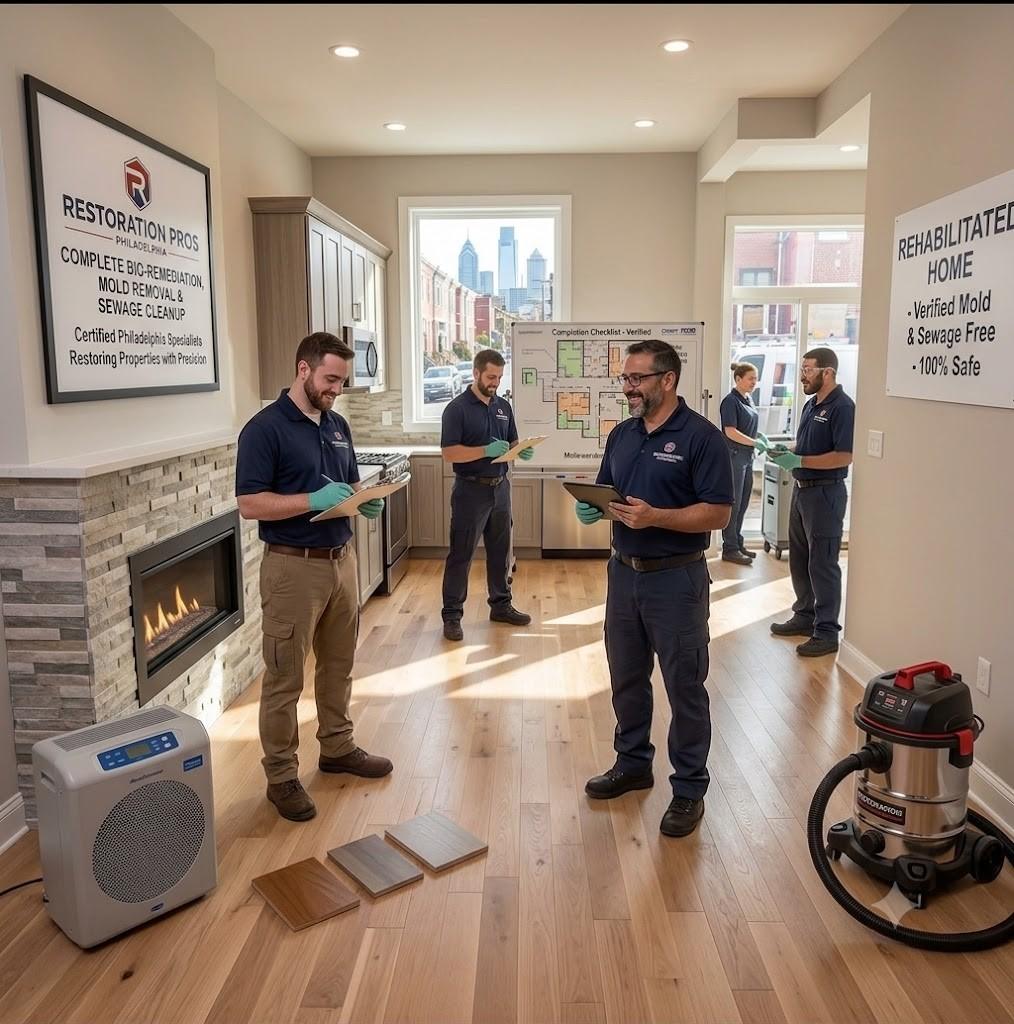
Mold Inspection Philadelphia

Our Mold Inspection Philadelphia services help identify visible and hidden mold in your property. We inspect affected areas and provide clear findings to help you choose the right mold remediation solution.