
Mold Inspection Philadelphia
Professional Mold Inspection in Philadelphia
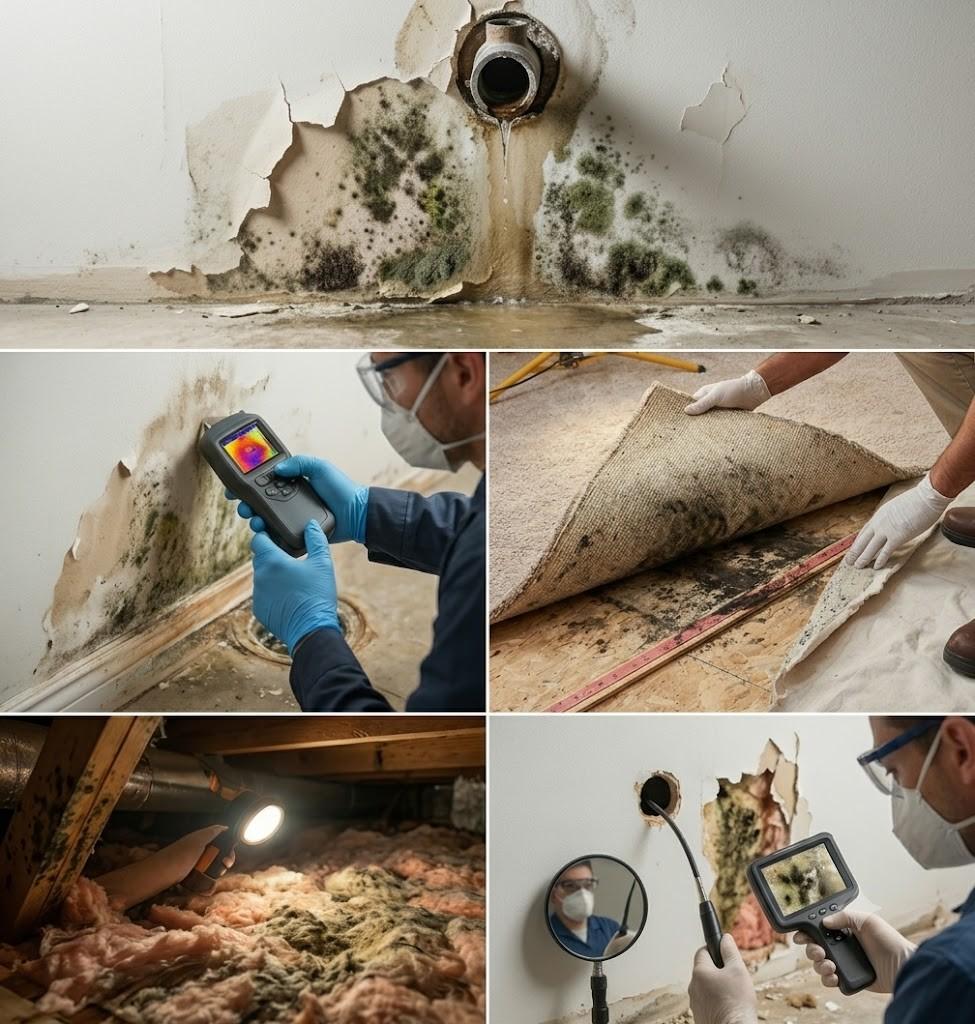
Mold can start growing long before you see it. A musty smell, recurring condensation, water stains, peeling paint, or unexplained moisture can all point to a mold problem behind walls, under flooring, around ceilings, or in other hidden areas.
Our Mold Inspection Philadelphia service helps homeowners and property managers find the source of moisture and determine where mold may be present. We look beyond the obvious spots so you can make a practical decision about cleanup and repairs.
Philadelphia properties can face several moisture-related problems throughout the year. Heavy rain, basement water intrusion, plumbing leaks, roof problems, humid summer weather, and older building materials can all create conditions where mold grows quickly.
If you’ve noticed signs of mold or recently had water damage, don’t wait for the problem to spread. Call now for same-day Water Damage Restoration Philadelphia.
Why Mold Inspection Matters
Mold needs moisture and a suitable surface to grow. Once those conditions exist, mold can develop in areas that aren’t easy to see.
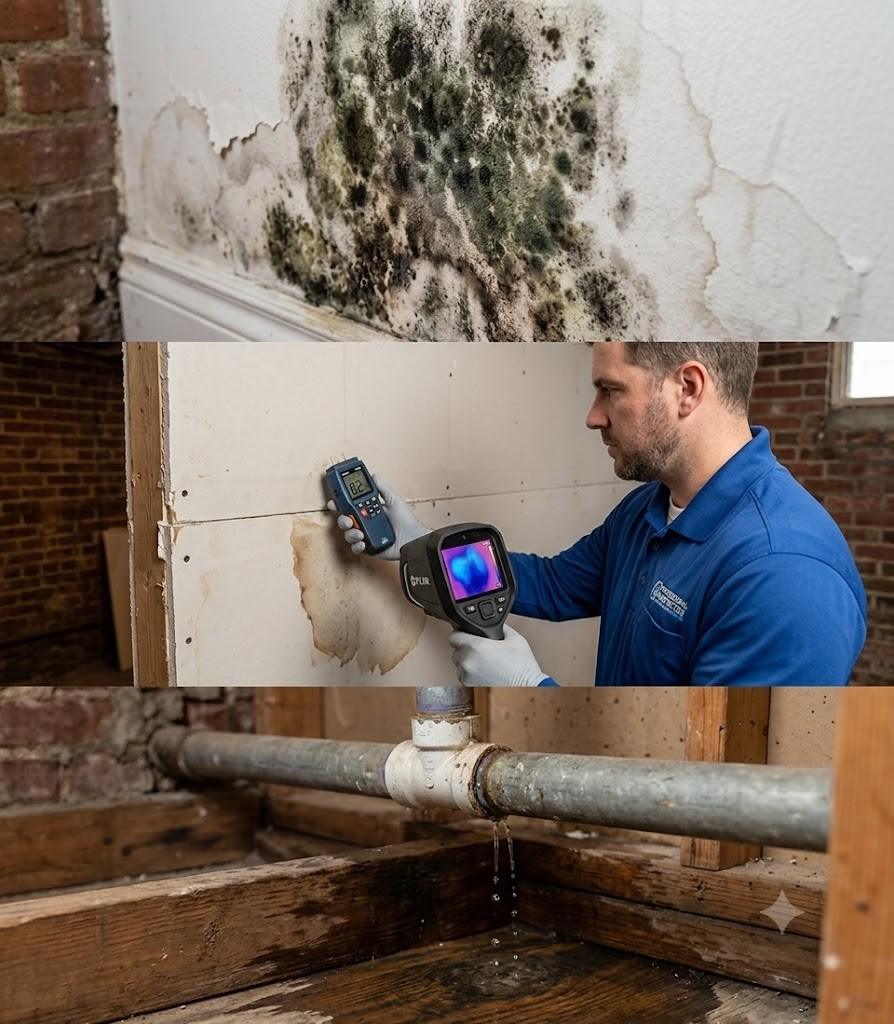
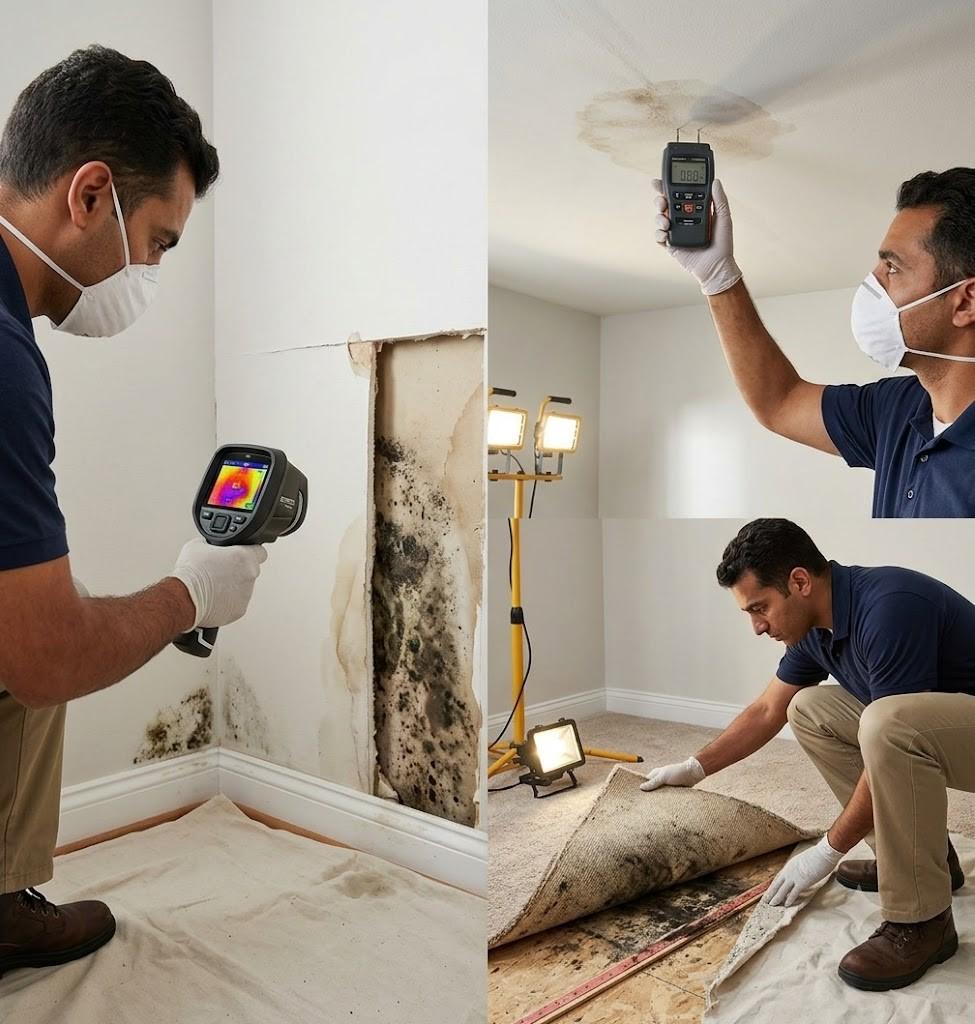
A small patch on a wall may only be the visible part of a larger moisture problem. Mold can also develop behind drywall, beneath carpets, inside cabinets, around plumbing, or in areas affected by previous leaks.
A professional Mold Inspection Philadelphia can help identify:
- Visible mold growth
- Hidden moisture
- Areas affected by previous water damage
- Musty odors and potential moisture sources
- Leaks around plumbing fixtures
- Water intrusion around windows and roofs
- Damp basements and crawl spaces
- Moisture behind walls or ceilings
- Conditions that may support additional mold growth
The goal isn’t simply to find mold. It’s to understand why it’s there and where the moisture is coming from If you notice recurring mold, a persistent musty odor, unexplained water stains, or signs of moisture, a professional Mold Inspection Philadelphia can help identify possible sources and affected areas so the appropriate next steps can be determined.
What Happens During a Mold Inspection?
A proper inspection should focus on the property as a whole rather than only the area where mold is visible.
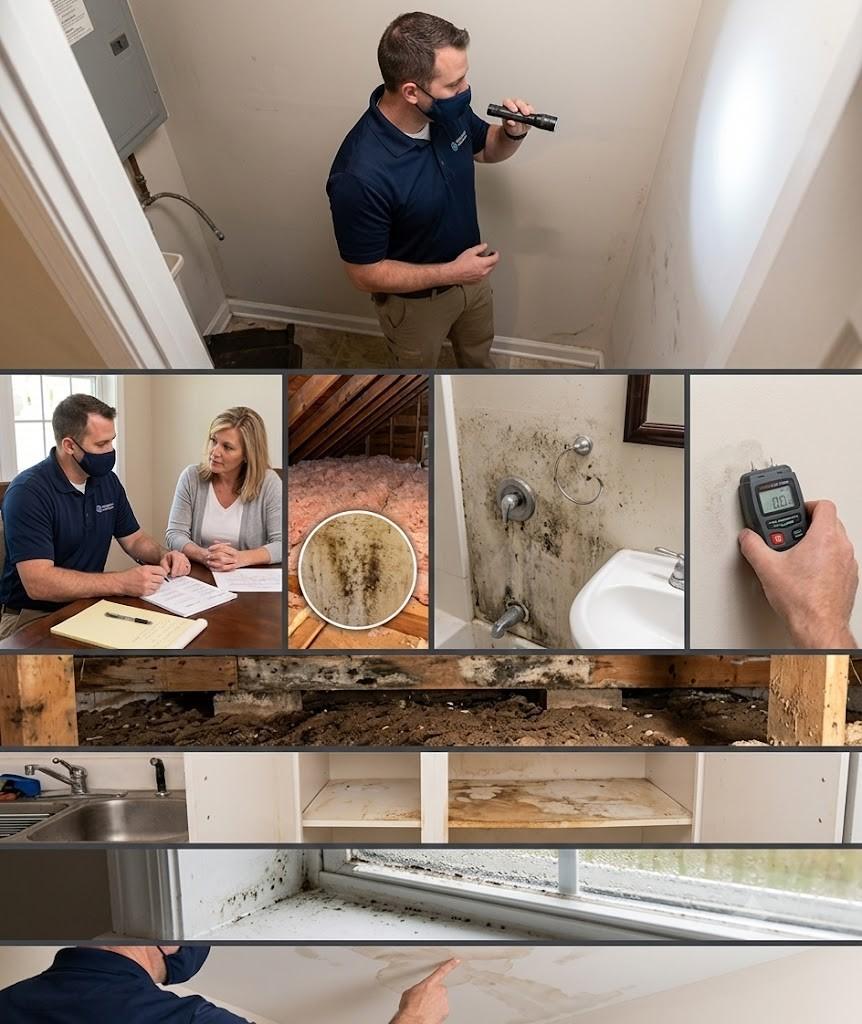
Our Mold Inspection Philadelphia process starts with a conversation about what you’ve noticed. We’ll ask about leaks, flooding, odors, previous repairs, condensation, and other moisture-related issues.
Mold Inspection Philadelphia is not only about locating visible mold. The goal is to understand where moisture is present, what may be causing it, and which areas could be affected. This information can help determine the appropriate next steps for cleaning, drying, repairs, or remediation.
From there, the inspection can focus on areas that may be contributing to the problem.
Visual Inspection
We inspect accessible areas for visible mold, staining, discoloration, damaged materials, and other signs of moisture.
Common inspection areas include:
- Basements
- Bathrooms
- Kitchens
- Attics
- Bedrooms
- Utility rooms
- Crawl spaces
- Around windows
- Areas near plumbing
- Ceilings and wall surfaces
Mold Inspection After Water Damage
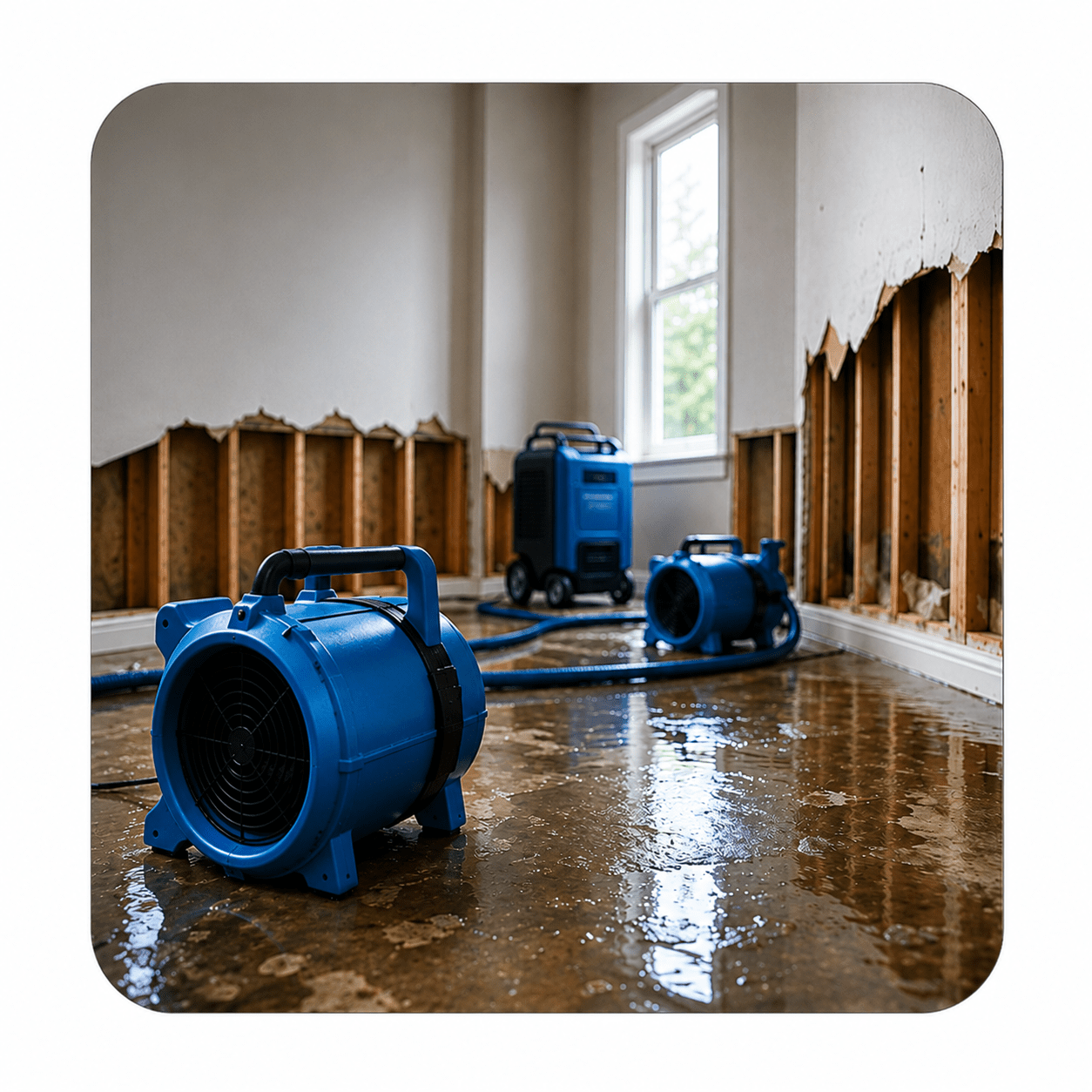
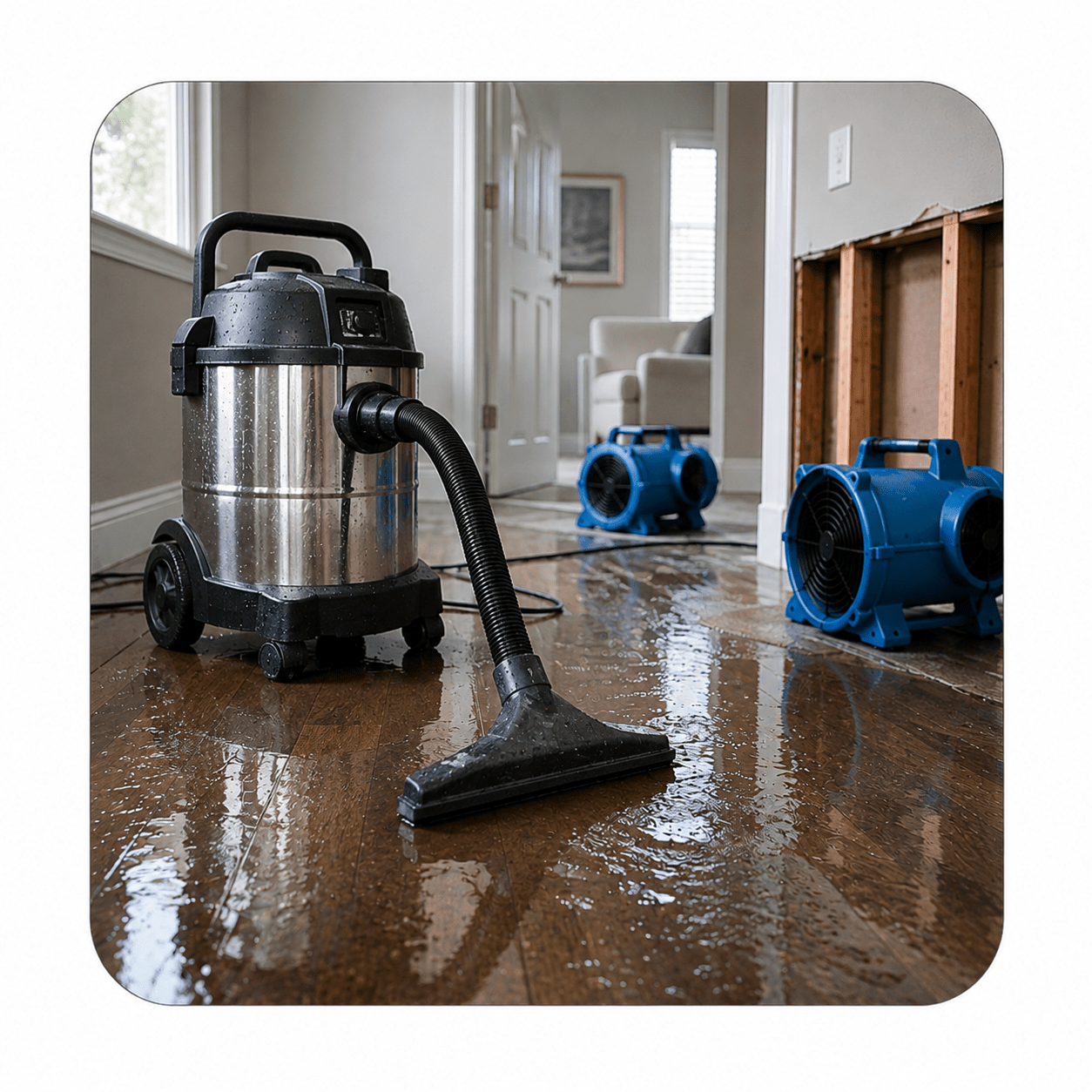
Water damage and mold often go hand in hand. A property can experience water intrusion from a broken supply line, overflowing appliance, sewage backup, roof leak, storm damage, or basement flooding. Even after standing water is removed, moisture can remain trapped inside building materials and create conditions where mold can develop.
Drying the surface isn’t always enough. Water can move deep into drywall, insulation, flooring, wood, carpeting, cabinets, and other porous materials. If these areas remain damp for too long, mold growth may begin in places that are difficult to see. Musty odors, discoloration, peeling materials, or recurring dampness may indicate that moisture is still present.
That’s why Mold Inspection Philadelphia can be a useful step after significant water damage. A professional inspection can help identify areas where moisture may remain and determine whether mold growth may have developed in affected parts of the property. Finding these issues early can help prevent a small moisture problem from becoming a larger remediation project.
Basement areas can be especially vulnerable because they may have limited ventilation, higher humidity, foundation leaks, condensation, or previous flooding.
Getting a Mold Inspection Philadelphia after significant water damage can help homeowners understand the condition of the property and address moisture concerns before they become more extensive.
Bathroom Mold Inspection
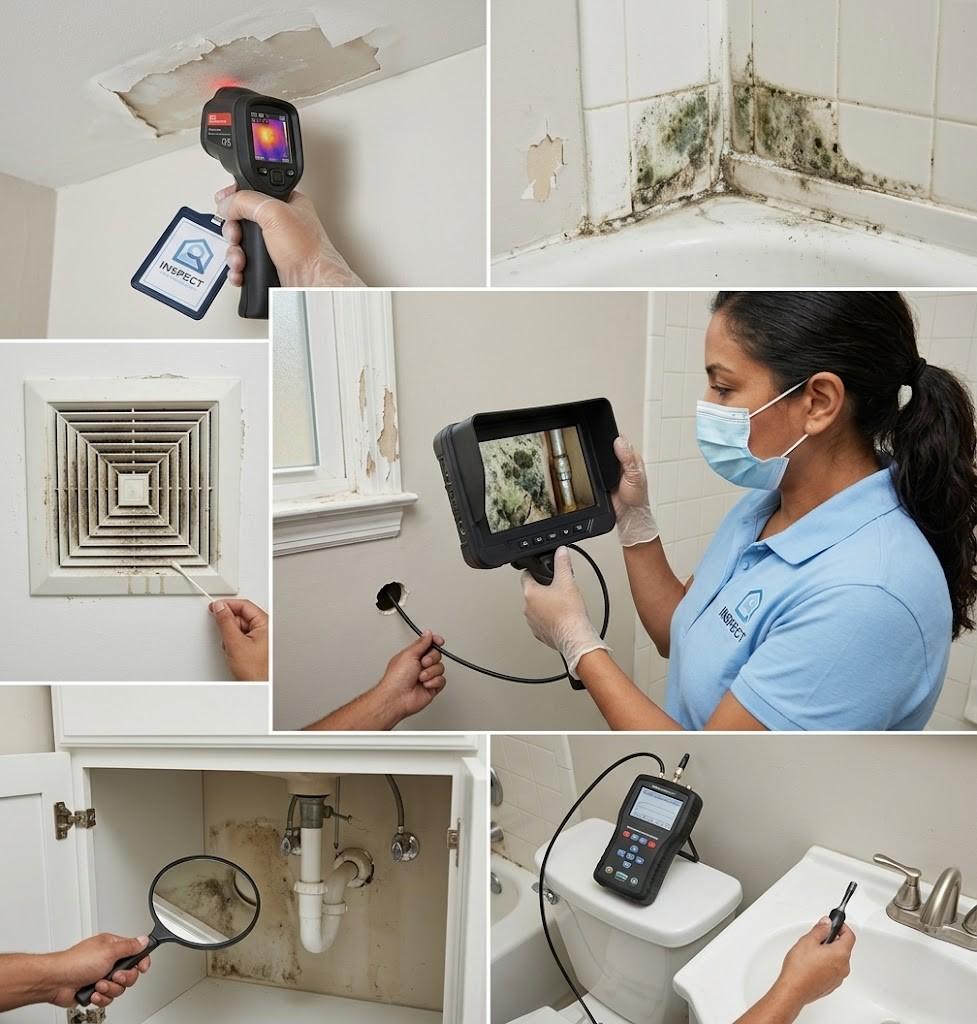
A careful Mold Inspection Philadelphia can help identify whether moisture is limited to the visible area or has spread to nearby materials. Areas behind shower walls, underneath sinks, around toilets, and inside cabinets may require additional attention when there are signs of leaks or recurring dampness.
Good ventilation helps control humidity, but leaks and poor airflow can create additional problems.
Look for mold or moisture around:
- Shower walls
- Bathtubs
- Toilets
- Sinks
- Cabinets
- Ceiling areas
- Exhaust fans
- Window frames
- Caulking and grout
If mold repeatedly returns after cleaning, the problem may involve ongoing moisture rather than surface dirt.
A professional inspection can help determine whether the affected area is isolated or connected to a larger moisture issue
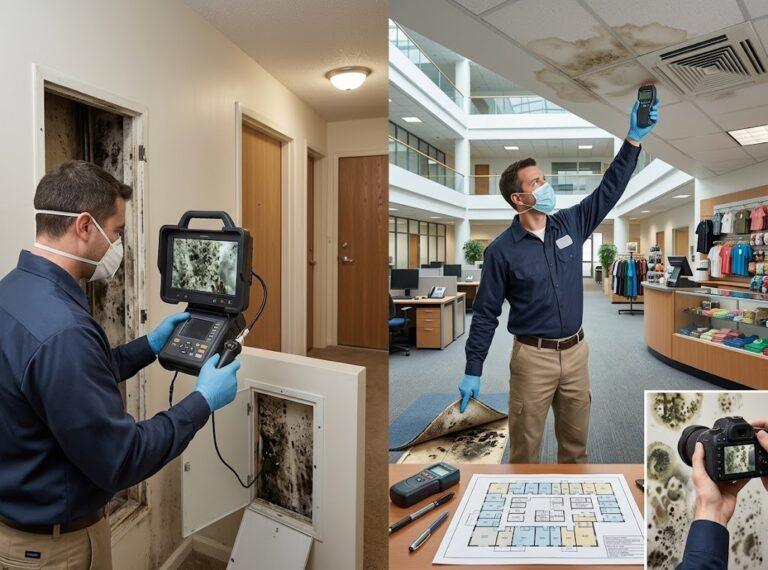
Mold Inspection for Rental Properties and Commercial Buildings
What Our Customers Say
Trusted by Philadelphia Homeowners & Businesses
Read what local property owners say about our Mold Inspection Philadelphia services. Our team focuses on prompt response, careful mold inspections, moisture detection, and professional service from start to finish.

Amanda Brooks
Philadelphia, PA

“Mold Remediation In Philadelphia arrived quickly and checked the areas where we had noticed a musty smell. The mold inspection was thorough, and they explained what they found in simple terms. I appreciated the clear communication and professional service.”

Michael Turner
Northwest Philadelphia

“We had water damage in our basement and were worried about hidden mold. The Mold Inspection Philadelphia service helped us understand where moisture was coming from and what needed attention. The technician was professional, careful, and easy to work with.”

Jessica Morgan
Philadelphia, PA
“After finding mold near a bathroom wall, I contacted Mold Remediation In Philadelphia for an inspection. They checked the affected area and looked for moisture issues instead of just focusing on the visible mold. The service was professional and reassuring.”
Frequently Asked Questions
1. How do I know if I need a mold inspection?
A persistent musty odor, recurring mold, unexplained water stains, damp areas, recent flooding, plumbing leaks, or previous water damage can all be reasons to consider a Mold Inspection Philadelphia service.
2. Can mold grow behind walls?
Yes. Mold can develop behind drywall and other enclosed areas when moisture becomes trapped. A wall may look normal from the outside while moisture or mold exists behind it.
3. Can a musty smell mean there is hidden mold?
A musty smell can be associated with mold or persistent moisture, although an odor alone doesn't prove that mold is present. If the source can't be identified, an inspection can help locate possible moisture problems.
4. How quickly can mold develop after water damage?
Mold can begin developing relatively quickly when building materials remain wet. The exact timing depends on temperature, moisture levels, material type, ventilation, and other conditions.
5. Does mold inspection include mold removal?
Inspection and remediation are different steps. An inspection identifies conditions and affected areas, while remediation addresses mold contamination. Depending on the findings,.
6. Should I inspect my home after water damage?
If your property has experienced significant water intrusion, checking for remaining moisture and possible mold growth can be a sensible step. Mold can develop when wet materials aren't dried properly or remain damp.
Need Mold Inspection Philadelphia?
Don’t let hidden mold, moisture, or water leaks damage your property. Our Mold Inspection Philadelphia service helps identify mold, moisture sources, and affected areas in Philadelphia homes and businesses.
Explore Our Other Mold Remediation Services in Philadelphia
Professional Mold Remediation in Philadelphia can address mold growth, moisture problems, and affected areas throughout your property. Explore our related Mold Remediation in Philadelphia services for a cleaner, safer, and more comfortable home.

Bathroom Mold Removal Philadelphia
Our Bathroom Mold Removal Philadelphia services help remove mold from bathrooms affected by moisture and humidity. We clean affected areas and address moisture concerns to help.
Mold After Water Damage Philadelphia
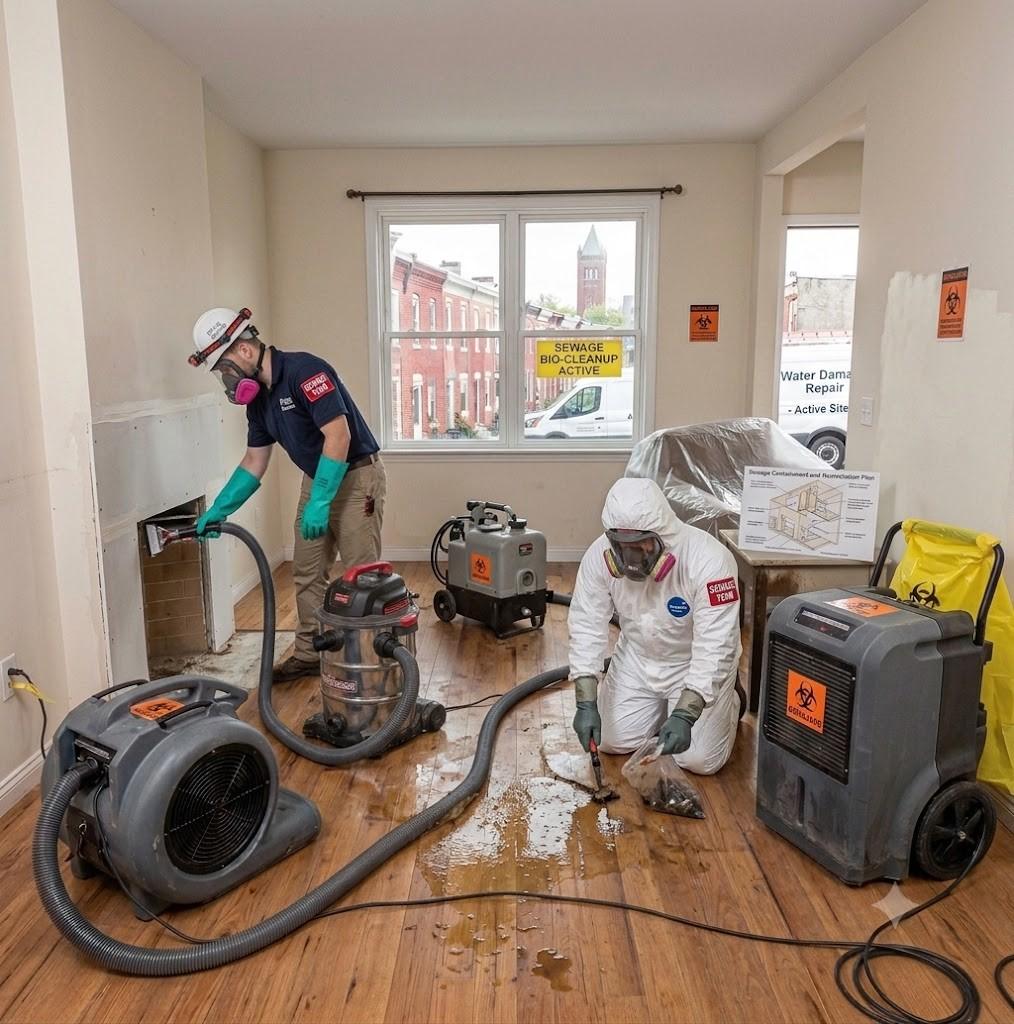
Our Mold After Water Damage Philadelphia services help identify and remove mold that develops after leaks, floods, or excess moisture. We clean affected areas and address moisture sources to help.
Mold Remediation Philadelphia
Our Mold Remediation Philadelphia services help identify, contain, and remove mold from your property. We clean affected areas, address moisture concerns, and help prevent mold from spreading or returning.